
Supporter Spotlight: Barrett Gray
This month, we're excited to feature Barrett Gray, an Issaquah-based forester and professional trail runner whose passion for conservation, trail stewardship, and the Issaquah Alps inspires her work both on and off the trails.
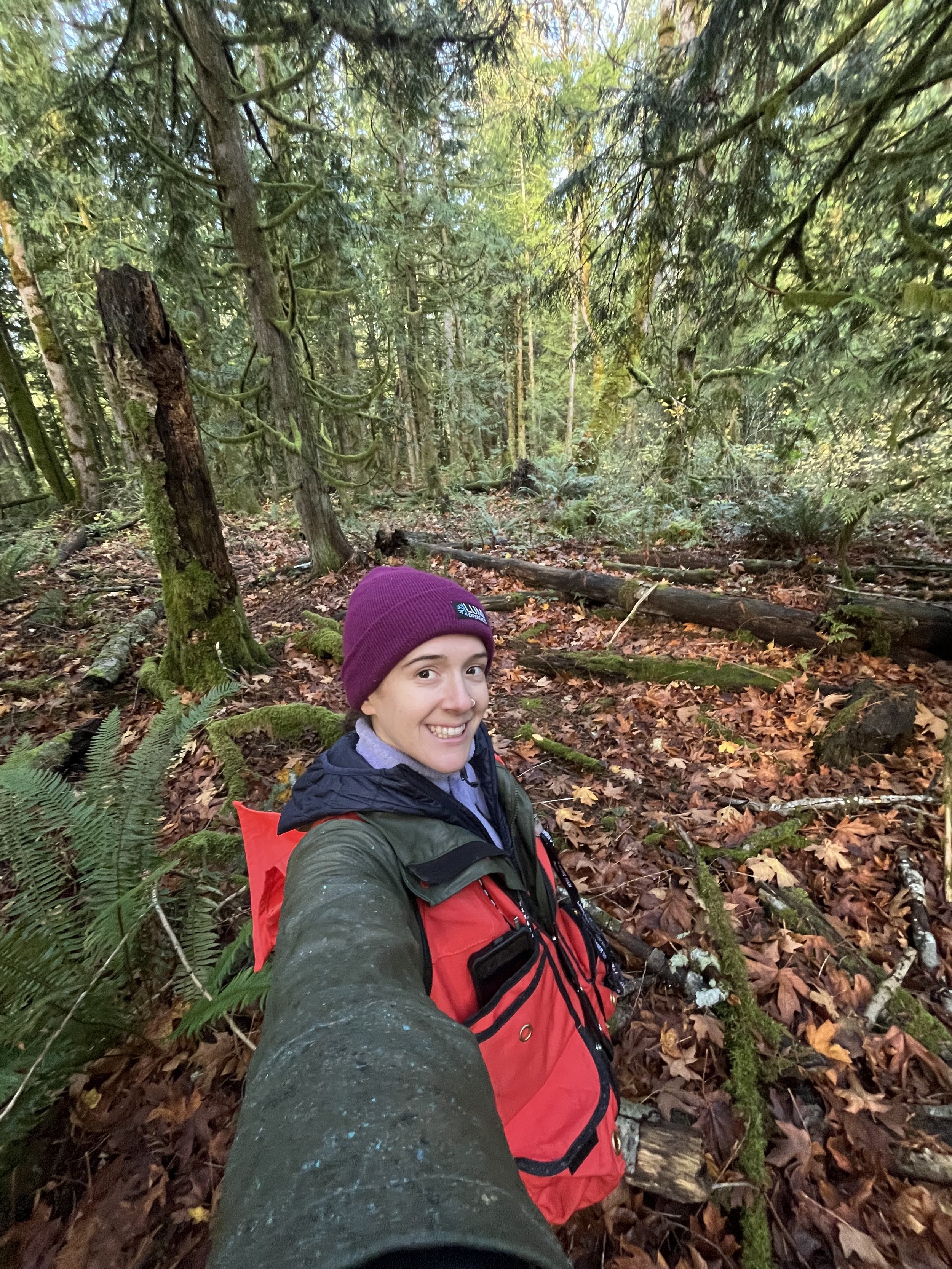
Photo courtesy of Barrett Gray.
By Barrett Gray
I moved to Seattle in 2021 and completed an AmeriCorps term doing environmental restoration work at EarthCorps. Some of those projects took me to the Issaquah Alps, including the Poo Poo Point trail reroute, where I helped build a more sustainable section of trail to reach the overlook. As a trail runner, I was also out in the Issaquah Alps regularly in my free time. It was around then that I first heard of the Issaquah Alps Trails Club, and in 2022, I met Kelly Jiang and learned more about the club through her.
I have especially enjoyed attending the IATC public forums over the years, through which I’ve learned about a variety of topics from local experts. I now live in Issaquah, and I feel so spoiled by the trails and outdoor space right in our backyard. The amount of trail access so close to a major city is truly incredible. IATC plays a major role in maintaining and improving that access while also working to keep our local forests healthy and resilient.
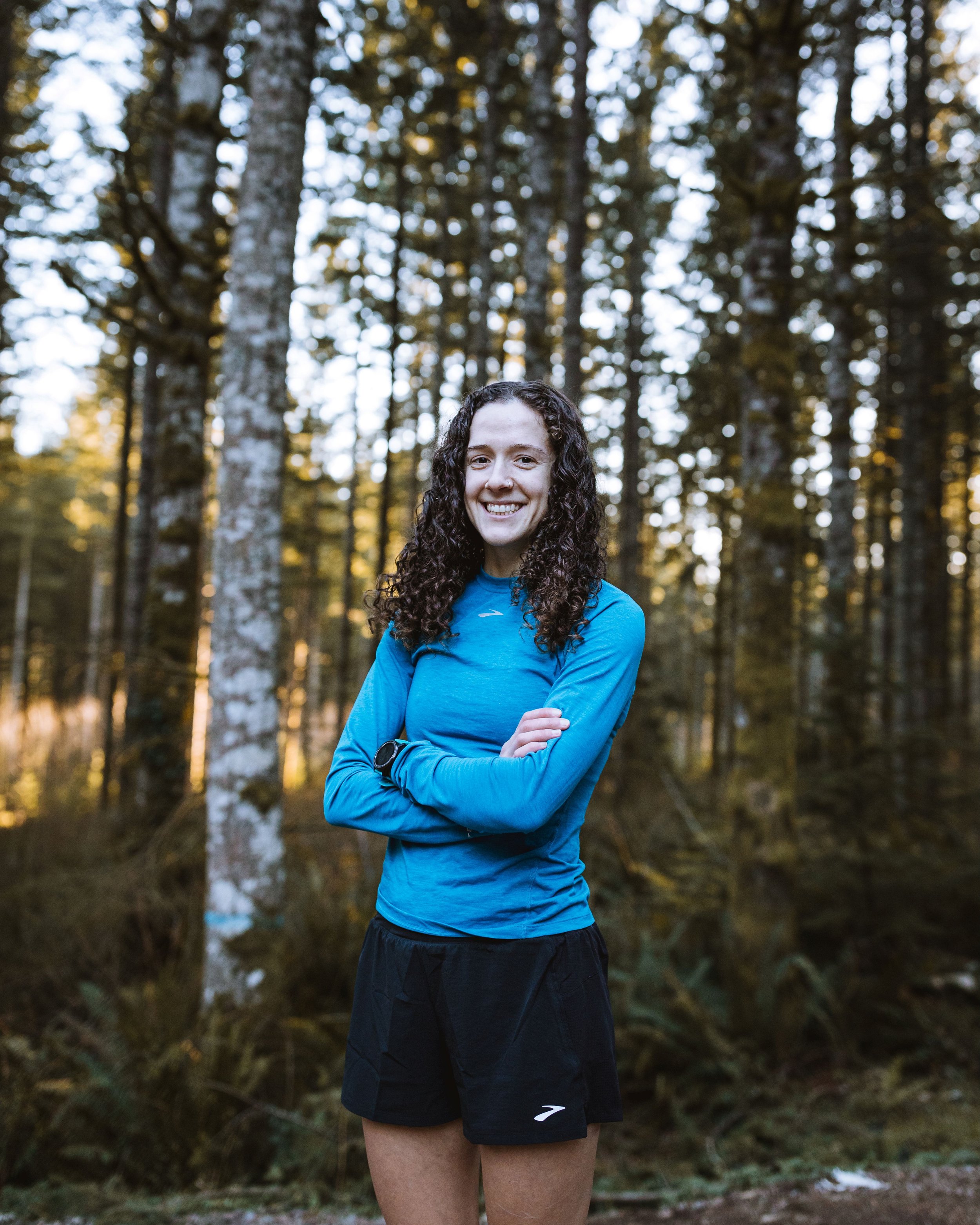
Photo courtesy of Somer Kreisman.
My connection to conservation and public land stewardship goes back much further. I grew up in northwest Montana, where I developed a deep passion for the outdoors and public lands. Glacier National Park was close by, and some of my most memorable experiences were hiking and camping there with family and friends. In high school, I joined a field science club where I learned about natural resource assessment and management through outdoor trips and hands-on experiences. That program was really influential in shaping my professional path and ultimately led me to a degree in ecology and a career in natural resources.
My passion for environmental advocacy and outdoor spaces shows up in many aspects of my life. Professionally, I work as a planning forester for Northwest Natural Resource Group, a nonprofit specializing in ecological forestry. I work with small landowners, organizations, and local governments to support ecologically based forest stewardship on their land. I’ve recently written forest management plans for properties in the Issaquah Alps, including Tradition Plateau, owned by the City of Issaquah, and a couple of properties owned by King County. These local projects are especially meaningful to me as an Issaquah resident who regularly recreates on the trails in these forests.
Outside of my life as a forester, I am also a professional trail runner for Brooks. I spend countless hours running in the Issaquah Alps and love having my two worlds as a forester and a trail runner collide by helping steward the forests where I also train as an athlete.
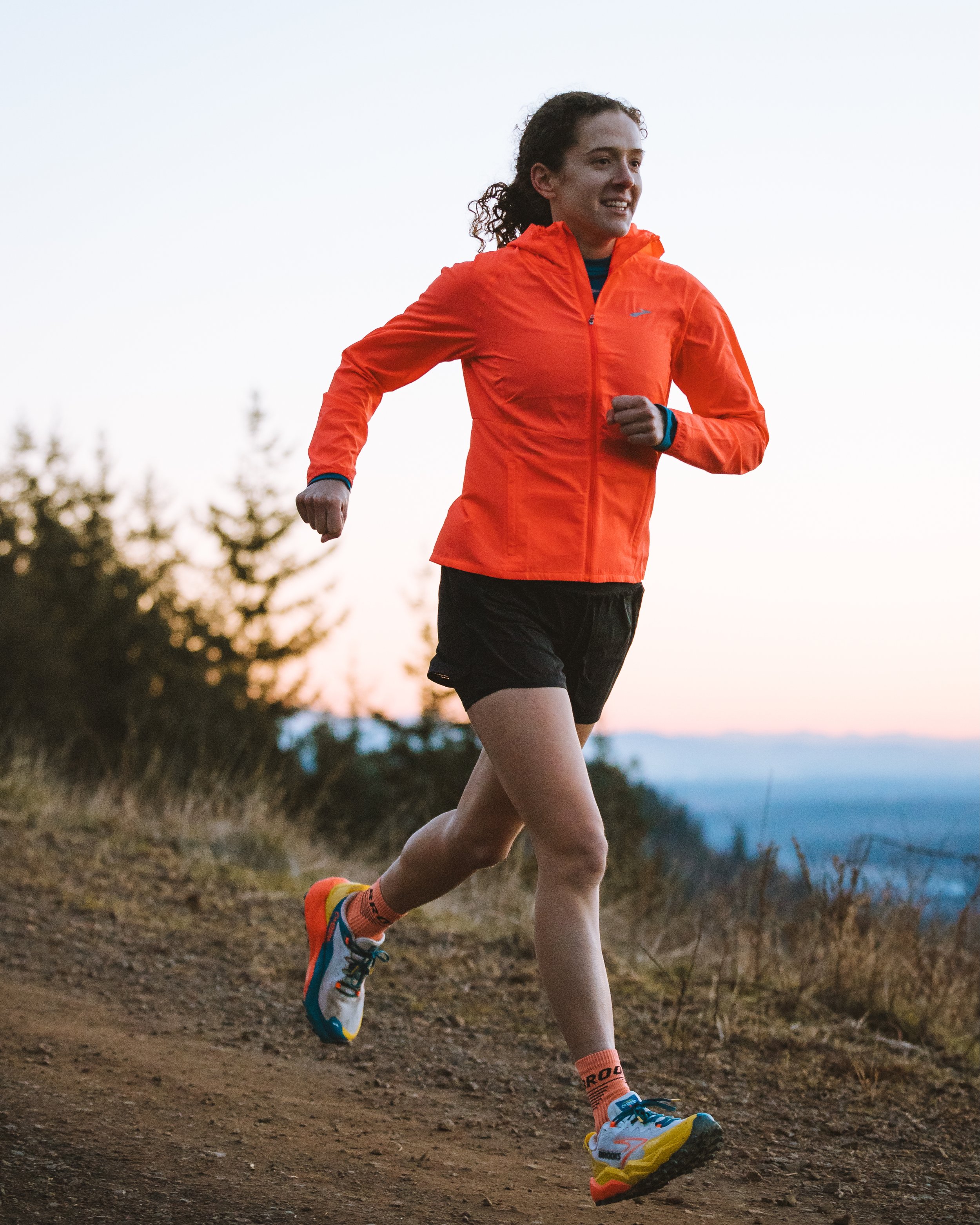
Photo courtesy of Somer Kreisman.
That connection between my work as a forester and my time on the trails is one of the things I value most about living in Issaquah. One of my favorite trails in the Issaquah Alps is the Ruth Kees Big Tree Trail, which features a rare old-growth Douglas-fir. As a forester, this tree is especially fascinating to me, not just because of its impressive size and age, but because it was somehow spared when all the other old-growth trees on Tiger Mountain were historically logged. There was probably a specific reason it wasn’t cut down—maybe it had something that significantly reduced its timber value at the time, such as major stem defects, or maybe its specific location made it difficult or uneconomical to extract. It’s a bit of a mystery!
For anyone wanting to get more involved, I recommend showing up to events with IATC or other conservation groups like Mountains to Sound Greenway. IATC makes it easy to be involved through volunteer opportunities, educational hikes, and public forums. As a forester, I am familiar with the challenges facing our local forests, whether that’s forest health, climate change, or invasive species, but I recognize that most people haven’t had that exposure from their professional lives. Attending educational events or volunteering to do restoration work is a great first step. The more people learn about these places and the pressures they face, the more they can carry that awareness into their own circles and start noticing things in the forest they might not have paid attention to before.